- One-time payment — no monthly fee
- No deadline — go at your own pace
- Instant access — start today
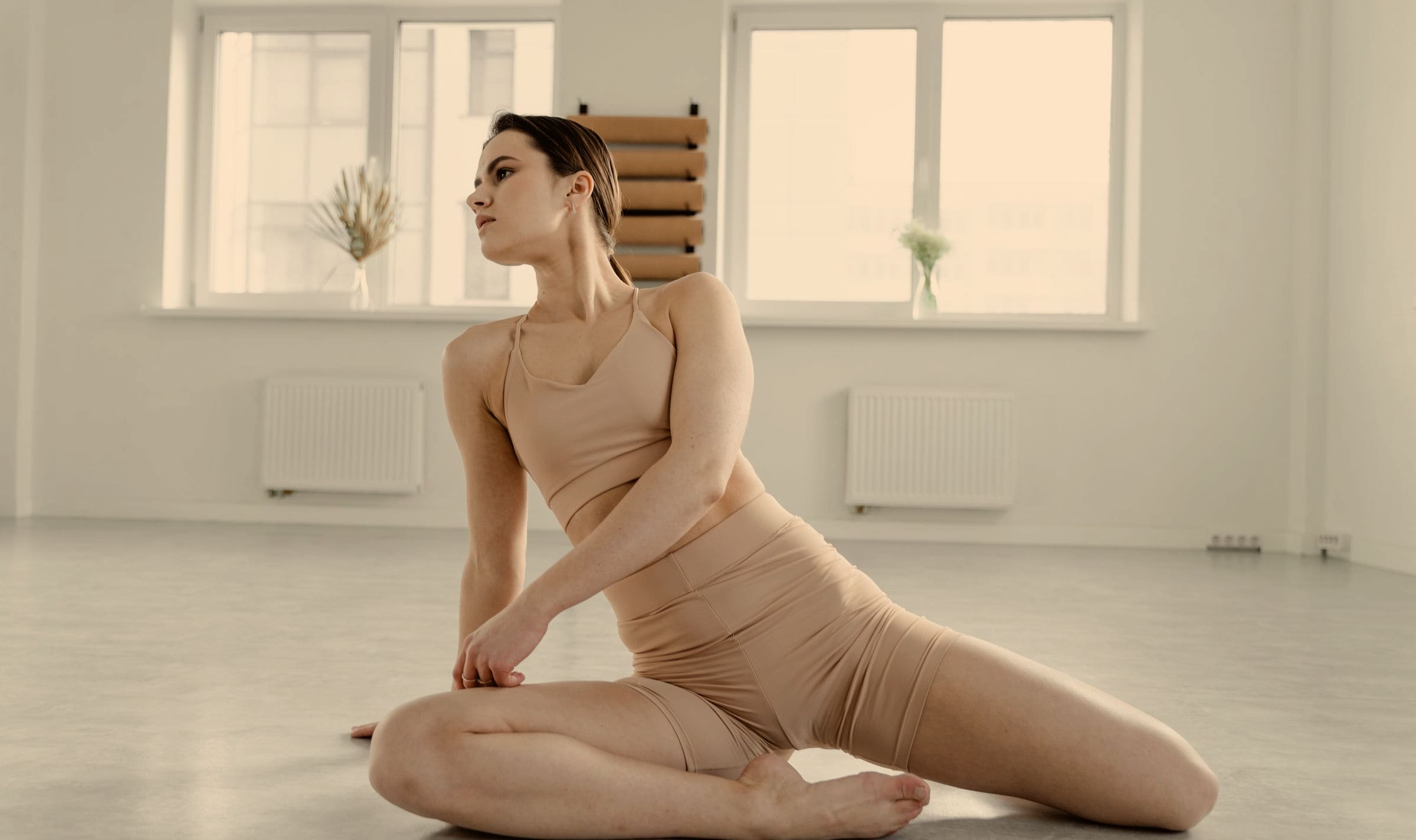
Rest StartsWith the Breath.
Ten minutes a day of breath and slow movement — in Kamakura and online.
Begin Your Reset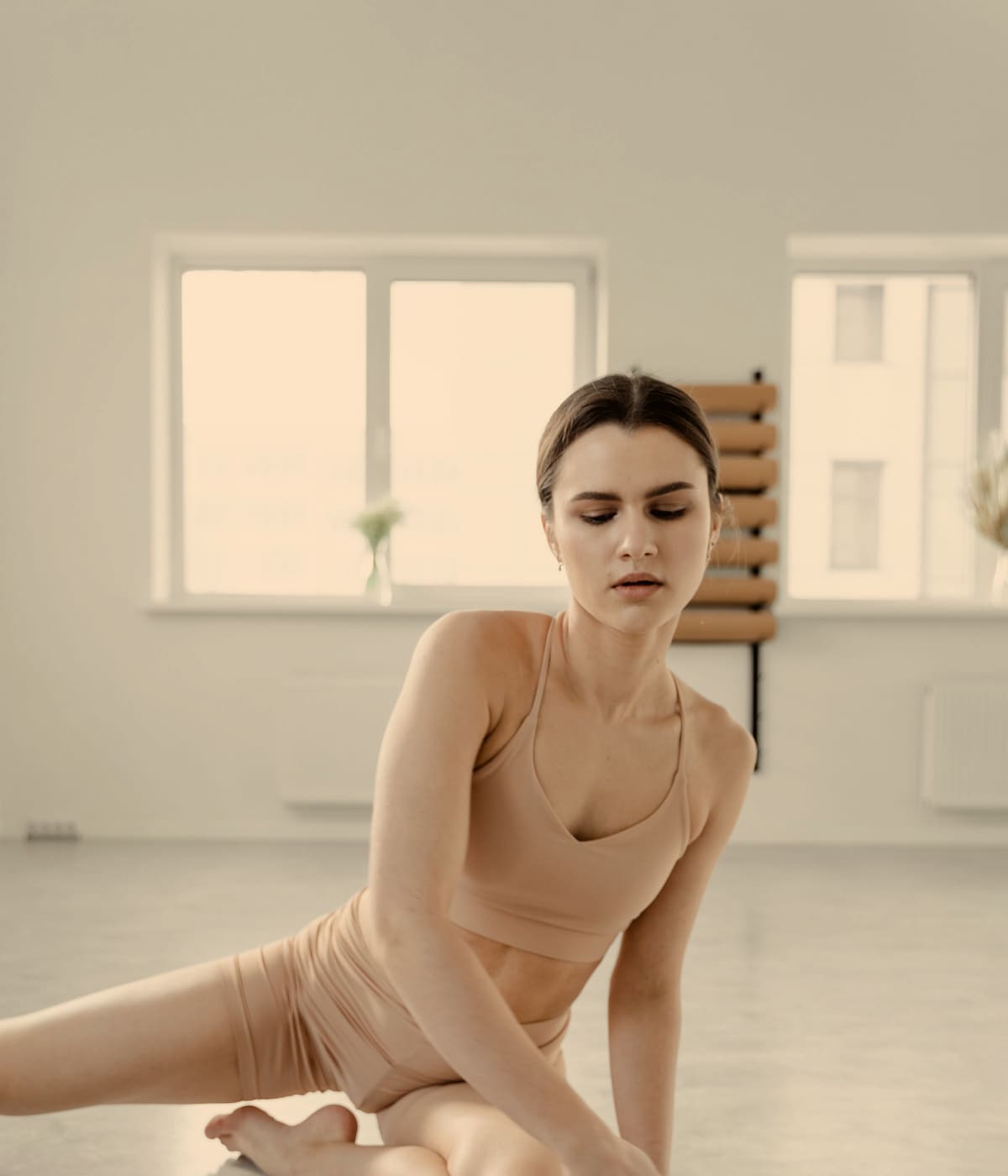
Your Body IsAlready Talking.
For a long time the answer seemed to be “try harder” — push through, hold on, do more. But what if the answer isn’t in more effort, and is in listening to what the body is saying?
NAGI Is Less a Workout,More a Practice of Pausing.
Here you learn how to let the breath slow, how to notice where the body is holding, and how to move slowly. It isn’t a class about perfect poses; it’s a class about small tools you can reach for during the day.
Not a body to fix — a body to listen to.
Begin Your Reset
If Days Like These Are Common
- Nights when you lie down and the mind keeps running
- Shoulders up by your ears, jaw set without noticing
- Weekends that end without feeling rested
- Afternoons when the breath stays high and shallow
- Evenings when the work is done but the body is still “on”
None of this is unusual. They are common signals from a body that has been busy for a long time.
At NAGI we practise making time to come down each day — with breath, slow movement and short rests.
Learn MoreThe NAGI Method
Resting isn’t just being still — it’s showing the body a different pace.
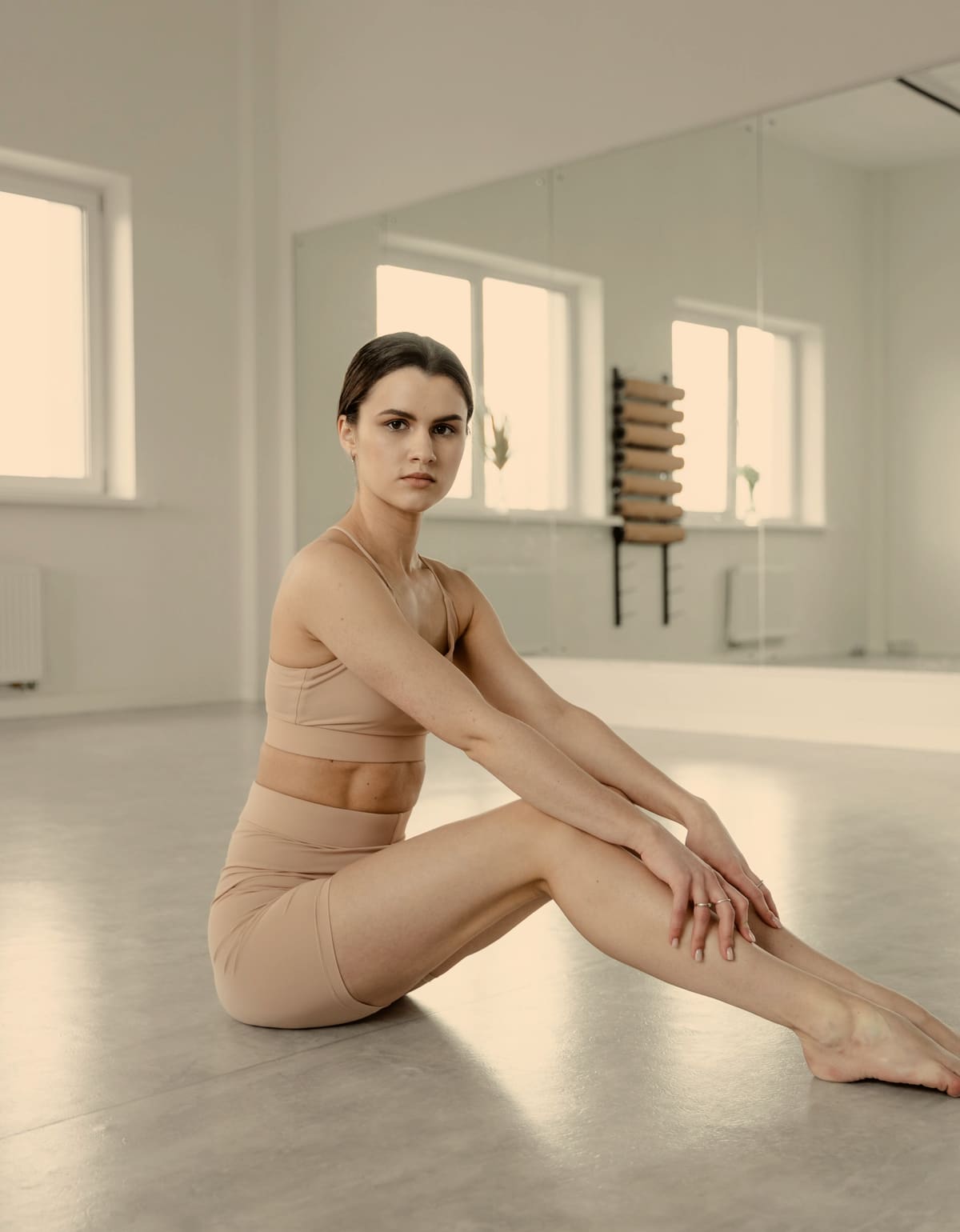
Notice
See how far the breath reaches and where the body is holding. We begin with five minutes of only looking, without changing anything.
Release
Lengthen the exhale and move slowly through the neck, shoulders and hips. The aim isn’t to stretch further but to put the effort down.
Settle
Finish with an even count: in for four, out for four. It’s a rhythm you can come back to at any point in the day.
NAGI 4-WeekBreath Reset
Learning to rest doesn’t have to take long meditations or years of training. Ten to twenty minutes a day, the same sequence, for four weeks.
- No complicated routines — just breath and slow movement
- Fits into 10–20 minutes a day
- Made for beginners and for coming back after a break
- One payment, yours to keep
- A live Q&A every Sunday
More than a course — a base you can keep going from after the four weeks.
Learn MoreBegin Your Reset
Join today and the first class opens right away
Price shown is a sample.

About Your TeacherMeet Nagisa
In my twenties as a dancer, I thought practice meant pushing — stretch further, hold longer, and hold the breath while you’re at it.
I began looking at the breath first when I started teaching. The same movement feels completely different on a slow-breath day and a hurried one; I saw that in class every day.
Now I teach breathing and slow movement from a small room in Kamakura and online. Before how to do it well, I share how to notice.
Why We Start With Breath
This isn’t a new trend. Old practice and modern physiology point to the same place.
A longer exhaleslows the breath
When the exhale is longer than the inhale, breathing settles toward about six breaths a minute — a pace long associated with rest.
The body noticesbefore the mind
Shoulders lift and the jaw sets before we think about it. So the first thing we practise is noticing.
Short and oftenbeats long and rare
Ten minutes a day is easier to keep than two hours on Sunday. The course is built around 10–20 minutes a day.
When the breath slows, the pace of the day tends to follow.
What StudentsAre Saying
“Since I started the ten minutes in the morning, I begin the day at a different speed. Counting the breath first made it easy to keep.”
“The videos are short, so I don’t put them off. By week two I caught myself breathing out slowly on the train home.”
“In the 1:1 I saw my shoulder habit for the first time. Instead of ‘fix it’, she asked, ‘How is it now?’ — I liked that.”
Sample text — replace with words from your own students.